Qatar National Vision 2030 and the workforce

I've been reading this recently: “Qatar introduces key amendments to the Labour Law: what employers need to know” (Dentons). It prompted me to put some longer thoughts down about qatar national vision 2030 and the workforce — beyond what fits in a LinkedIn post.
Why this matters in the GCC and Qatar
Workforces in the GCC and Qatar are changing faster than most operating models were designed for. Demographics, national workforce programmes, new technology, and rising expectations from employees are all pulling in the same direction: the organisations that treat qatar national vision 2030 and the workforce as a strategic issue — not an administrative one — will have a real advantage.
What I keep seeing on the ground
First, expectations are changing. People want clarity, fairness, and room to grow — not just a pay cheque. That applies as much to frontline and blue-collar teams as it does to office staff, even though they're often the last to be asked.
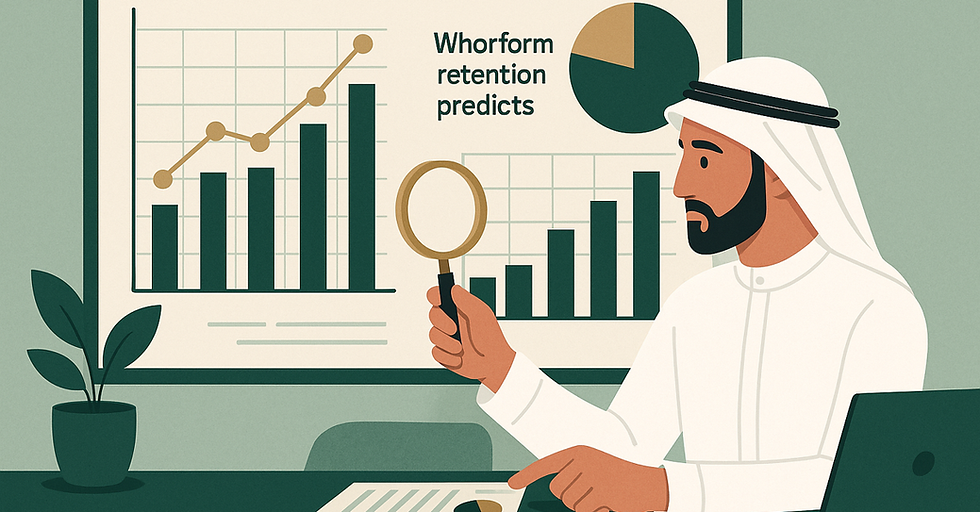
Second, data beats guesswork. The employers getting this right measure what actually predicts retention and performance, and they treat that data as seriously as their financial reporting. Most organisations still rely on instinct and exit interviews — which is like driving using the rear-view mirror.
Third, local context matters. the GCC and Qatar is not interchangeable with any other market — approaches to what the vision means for talent planning need to be built for this region's labour market, regulations, and culture, not copy-pasted from a global playbook.
Where I'd start
If you're responsible for hr and strategy leaders outcomes, start smaller than you think: pick one decision you currently make on instinct and put real data behind it. Then make one everyday habit — how managers check in, how honestly leaders speak — consistent with what you claim to value. Small, consistent changes outperform big one-off initiatives almost every time.
A closing thought
None of this works without genuine buy-in from frontline managers, not just HR. Policies set the floor; everyday behaviour sets the culture. That's where I'd focus first.


Comments